A garage door motor usually gets blamed first. The remote stops responding the way it should, the opener strains, the door shudders halfway down, and the instinct is to ask for a motor replacement. Sometimes that is the right call. Just as often, though, the motor is reacting to trouble elsewhere in the system.
That distinction matters.
A garage door opener is only one part of a larger setup. The door, springs, tracks, alignment, and moving hardware all affect how hard the motor has to work every day. If the door starts binding, dragging, or falling out of balance, the opener compensates. It pulls longer, pushes harder, and cycles under more stress than it was meant to handle. Over time, that extra effort can shorten motor life and turn a smaller https://goldcoastgaragedoorrepair.com.au/southport-qld/ repair into a more expensive one.
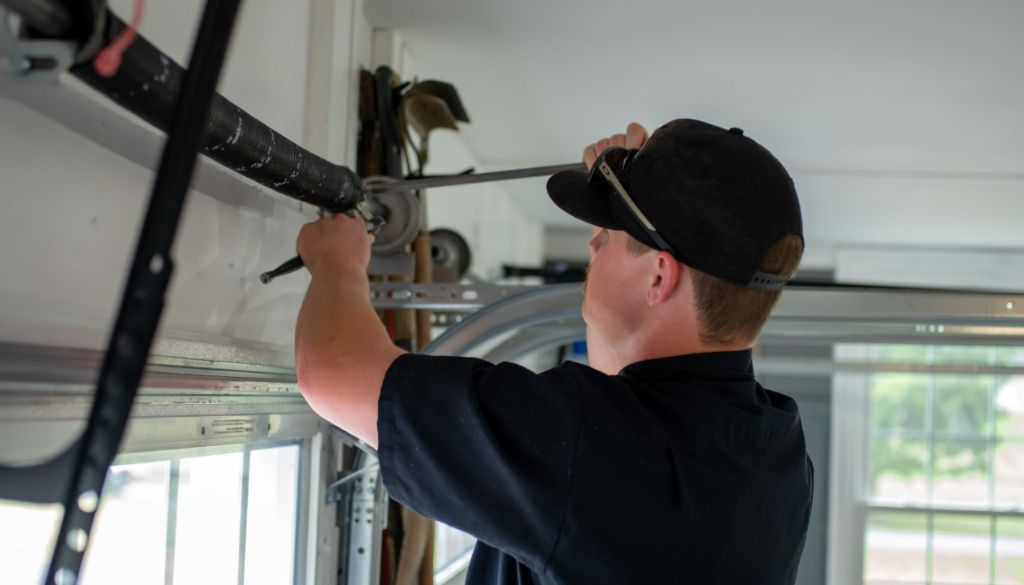
This is especially relevant in places where the environment is hard on metal components. In the Gold Coast area, service providers regularly point to salt air, humidity, and heat as factors that can affect garage door hardware and increase maintenance needs. That kind of wear does not always show up as one dramatic failure. More often, it begins as a small change in door behavior that gets ignored until the motor starts to complain.
The motor is rarely the whole story
When people search for garage door opener repair, they are often trying to solve a symptom rather than the root cause. A motor that sounds louder than usual or struggles to close the door may not be failing on its own. It may be dealing with resistance caused by alignment issues, worn hardware, or spring problems.
Think of it this way. If a door used to move smoothly and now needs extra force, the opener has only two choices. It either works harder or it fails to complete the cycle. That is why a garage door not closing properly should never be written off as a remote issue or a quirk in the opener settings without checking the door itself.
A healthy system works as a system. The motor provides controlled movement, but it depends on the rest of the door being in reasonable condition. If one part goes out of line, the load shifts. That shift may be subtle at first. The door may still open and close most of the time. The trouble is that repeated strain adds up.
Small door problems create real motor strain
A garage door motor does not measure wear the way a person would. It does not know whether resistance is coming from a slight misalignment, aging springs, or hardware that is no longer moving cleanly. It simply encounters a heavier task.
That is why minor faults matter. A track issue that causes rubbing, a balance problem that changes how the door travels, or a spring losing effectiveness can all increase the opener’s workload. None of those problems will necessarily look dramatic from across the driveway. But every extra second of strain during each cycle contributes to wear.
This is also why early action matters more than many owners expect. If you fix garage door issues while they are still small, you may protect the motor from months of unnecessary load. If you wait until the opener starts to stall or reverse, you may already be dealing with both a door issue and a motor issue.
When the door is not closing properly, the opener pays for it
One of the most common complaints homeowners have is a garage door not closing properly. It may stop before reaching the ground, reverse unexpectedly, or come down unevenly. People often focus on the bottom of the door because that is where they see the failure. But the real cause may be higher up in the system.
Improper closure can be tied to garage door alignment, to changing spring performance, or to general wear in moving components. The practical result is the same: the opener has to keep trying to complete a movement that is no longer smooth.
That repeated effort matters. Every failed closing cycle asks the motor to start, stop, and sometimes reverse under less-than-ideal conditions. Even if the door eventually shuts, the opener may be doing more work than it should. A motor that once moved the door with little drama can end up sounding rough or operating inconsistently simply because the door itself is no longer cooperating.
A common pattern goes like this: the door starts catching slightly near the floor, then it begins reversing once every few days, then the motor becomes noisy, and finally the owner assumes the opener has reached the end of its life. In some cases, the opener has aged. In others, its life was shortened by a door problem that could have been corrected earlier.
Springs deserve respect, not guesswork
Springs are central to how the door moves, and they are one of the most dangerous parts to treat casually. Safety guidance is clear on this point: garage door springs are under high tension and are dangerous to adjust or repair without proper training and tools.
That warning is not just legal caution. It reflects the real energy stored in those components.
A broken or weakened spring changes how the entire door behaves. The motor may still try to lift or lower the door, but it is no longer working with the level of support the system was designed to have. That can create balance problems, erratic travel, and heavier strain on the opener.
There is another practical issue here. Guidance on spring replacement notes that when one spring breaks, both may need replacement because they typically wear at a similar rate and mismatched springs can create balance problems. That matters for motor life because an unbalanced door does not move evenly. When the balance is off, the opener often becomes the part that absorbs the consequences.
This is one area where do-it-yourself confidence can become expensive very quickly. Trying to save the cost of a professional repair can result in injury, further door damage, and more stress on the opener if the door is put back into service in poor condition.
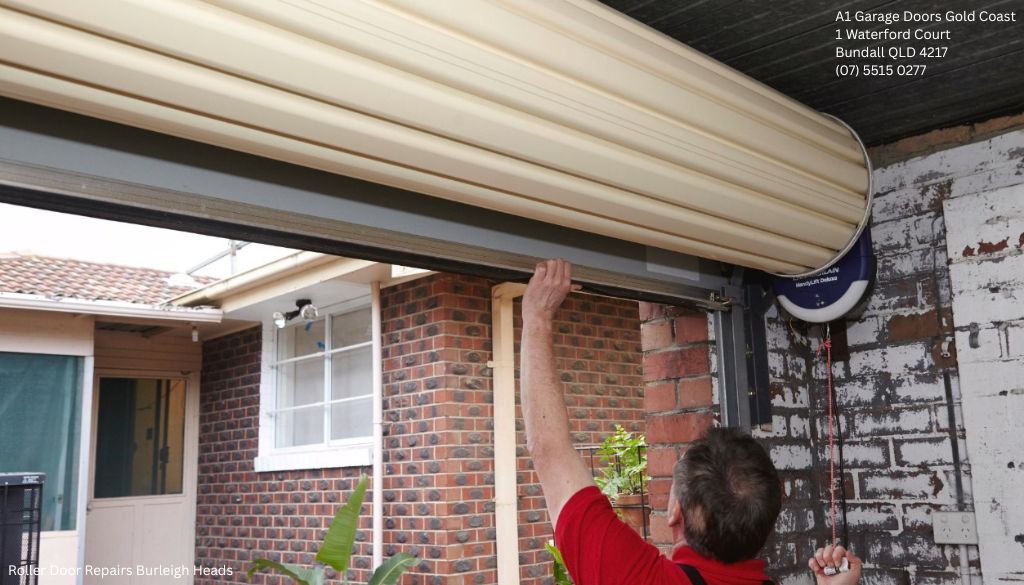
Garage door alignment is not cosmetic
People sometimes hear the word alignment and think of something minor, like a door that looks slightly uneven. In practice, garage door alignment affects how force moves through the entire system.
If the door is not tracking cleanly, the opener may face intermittent resistance that only appears at certain points in travel. That is one reason some doors seem to work fine on the way up but struggle on the way down, or vice versa. The problem can be position-specific, and that makes it easy to dismiss until it gets worse.
Poor alignment also creates a frustrating kind of wear because it can mimic motor trouble. The opener may hesitate, the travel may look inconsistent, and the door may produce scraping or jerky movement. To the owner, it feels like automation is failing. But the opener may simply be fighting a path that is no longer true.
When garage door alignment is corrected early, the benefit is not just smoother movement. It is reduced load on every powered cycle. That is exactly the kind of prevention that can help preserve motor life.
Climate makes routine issues show up faster
In the Gold Coast area, service providers note that salt air, humidity, and heat can affect garage door hardware and increase maintenance needs. That local context changes how owners should think about timing.
In a mild indoor environment, wear may develop more slowly. In coastal or humid conditions, hardware can deteriorate sooner or behave differently over time. A door that seemed fine last season may start moving less cleanly after months of exposure. The opener then becomes the part forced to compensate.
This does not mean every coastal garage door is headed for immediate failure. It means routine observation matters more. If your hardware is living in conditions known to affect metal parts and moving assemblies, waiting until the motor is obviously struggling is not a great strategy.
A simple annual service schedule can be a sensible baseline. At least one Gold Coast garage-door business recommends professional servicing every 12 months to help prevent breakdowns and extend the life of the door and motor. That recommendation lines up with what many owners learn the hard way: the cheapest time to deal with a garage door problem is usually before it becomes obvious.
What early warning signs tend to mean
There is value in paying attention to changes before they become failures. You do not need to diagnose the whole system yourself, but you do need to notice when the door starts behaving differently.
Here are a few signs that deserve attention:
The door hesitates, shudders, or sounds rougher than usual during travel. The door closes unevenly or does not reach the floor properly. The opener seems to strain, repeat commands, or reverse unexpectedly. Movement that used to be smooth now looks jerky or inconsistent. One recent problem has been followed by another, even if each seems minor on its own.None of these signs automatically means the motor is failing. In fact, they often suggest the opposite: the opener may still be functioning, but it is being asked to deal with a door issue that should be corrected before the motor suffers for it.
Repair first, replace only when it is justified
There is a practical reason good technicians look at the whole system before recommending a new opener. Replacing a motor without addressing the condition of the door can leave the new unit facing the same excessive load as the old one.
That is why garage door opener repair should not be treated as a standalone category in every case. Sometimes the correct sequence is to inspect the door, correct alignment, replace worn or failed components where needed, restore proper movement, and only then assess the motor. If the opener has been damaged by prolonged strain, replacement may be justified. If not, the motor may have more life left than you think.
This is a common point of frustration for owners because it can feel indirect. You call about the opener, but the conversation turns to springs, alignment, or servicing. Yet that broader approach usually makes sense. A new motor cannot solve a door that is mechanically fighting itself.
The cost of waiting is not always dramatic, but it is real
Not every neglected issue causes a sudden breakdown. Many create a slow drain on reliability. The opener becomes noisier. The door responds less consistently. Small interruptions become part of daily routine. People adapt. They press the remote twice. They stand and watch the door a little longer. They accept a little more grinding, a little more hesitation.
That period of adaptation is where damage often accumulates.
The hard part about motor strain is that it does not always announce itself in one obvious moment. Instead, the opener takes on extra work over weeks or months. By the time the owner decides to fix garage door problems, the original issue may have led to additional wear elsewhere.
This is why a door that still technically operates should not always be described as fine. If operation has become rough, uneven, or unreliable, the motor may be paying a price long before complete failure arrives.
Professional service has a different goal than a quick patch
Gold Coast garage-door businesses commonly offer repairs, servicing, installations, and replacement of components such as motors, remotes, and springs. That range of services matters because garage door problems often overlap. The best outcome is not simply getting the door moving again that day. It is restoring the system so the motor does not keep absorbing hidden stress.
A quick patch can be tempting. If the opener works again after a reset or a small adjustment, it is easy to assume the issue is resolved. But if the underlying drag, imbalance, or alignment problem remains, the opener is still doing extra work.
A better approach is to think in terms of system health. Is the door moving cleanly? Is it balanced correctly? Are the key components in a condition that supports normal motor effort? Those questions are more useful than focusing on the opener alone.
When replacement makes sense
There are times when replacement is the right call. Gold Coast providers explicitly advertise motor replacement and installation services, including automation upgrades for existing garage doors, because some openers do reach the point where repair is no longer the sensible option.
But replacement decisions tend to be strongest when they are made after the door itself has been properly assessed. Otherwise, you risk putting a new motor into an old problem.
If a motor has spent a long period compensating for a misaligned door or a spring issue, its wear may be legitimate and significant. In that situation, correcting the door problem and replacing the opener can both be appropriate. The key is sequence and diagnosis. Fix the mechanical cause, then decide what the motor still has left.
A practical maintenance mindset
Owners do not need to become garage door experts, but they do benefit from a disciplined way of thinking about maintenance. The most useful mindset is simple: if the door changes, act early.
That means paying attention when sound, speed, or travel changes. It means not normalizing a garage door not closing properly. It means treating spring issues as professional work because of the safety risk. And in coastal conditions, it means recognizing that climate can push hardware toward wear faster than expected.
A reasonable maintenance routine can be kept straightforward:
Notice changes in noise, travel, and closing behavior as soon as they appear. Arrange professional service rather than waiting for the opener to fail outright. Treat spring problems as a safety issue, not a do-it-yourself project. Ask for the whole system to be checked, not just the motor. Consider regular servicing, such as a yearly visit, to help prevent breakdowns.That kind of approach is rarely dramatic, but it is effective. It protects the door, the hardware, and the motor from the snowball effect that starts with one ignored problem and ends with a more expensive repair.
The real goal is less strain, not just restored movement
A garage door can sometimes be coaxed into working long after it has stopped working well. That is where many motors lose years of useful life. They keep dragging a problem forward because the system has not been properly corrected.
The smarter standard is not whether the door opens today. It is whether it opens and closes without unnecessary strain.
If the door is misaligned, if it is not closing properly, if spring wear has changed the balance, or if local conditions have taken a toll on the hardware, the motor should not be left to compensate. Early garage door opener repair, proper garage door alignment checks, and timely work to fix garage door issues can make the difference between routine service and a shortened motor lifespan.
For most owners, that is the heart of it. The opener lasts longer when the door does its share of the job.