A garage door opener tends to get attention only when it stops doing its job. One day the remote works from halfway down the driveway, the next day the door hesitates, reverses for no clear reason, or refuses to close at all. In many homes, that small motor and its related hardware handle one of the largest moving parts on the property, often several times a day. When something goes wrong, it is not just inconvenient. It can affect security, access, and safety in a very immediate way.
That is why garage door opener repair needs a calm, practical approach. Some problems are minor and tied to maintenance. Others point to wear in the door itself, the opener, or supporting components such as springs and remotes. There is also a second question that often comes up at the same time: if a repair is needed anyway, is it worth upgrading the system and adding automation?
The answer depends on what has failed, how the door moves, and how much life is left in the current setup. It also depends on local conditions. In coastal and humid areas such as the Gold Coast, businesses that service garage doors regularly note that salt air, heat, and humidity can affect hardware and increase maintenance needs. That matters more than many homeowners realize. A door opener does not operate in isolation. If metal parts corrode, if the door’s movement becomes rough, or if alignment drifts over time, the opener ends up working harder than it should.
What a garage door opener actually does
People often use the term “garage door” and “garage door opener” as though they mean the same thing, but they are two different parts of one system. The opener supplies the drive that opens and closes the door. The door itself still has to be in reasonable mechanical condition. If the door is heavy, unbalanced, or rubbing as it travels, the opener may struggle even if the motor is technically still running.
That distinction matters when diagnosing a fault. A homeowner might say the motor is broken because the garage door not closing properly is the visible symptom. In practice, the problem could be the opener, the door, or both. Repair work often starts by separating those possibilities.
A service call in the Gold Coast area commonly covers not just motors and remotes, but also springs, general repairs, servicing, installations, and replacement of worn components. That lines up with real job-site experience. Many faults are not single-part failures. They are a chain of small issues that finally cross a threshold. A remote becomes inconsistent, the motor strains a little longer than usual, the door develops a rough spot in travel, and then one morning nothing works smoothly.
When a “simple opener problem” is not simple
A garage door opener usually reveals trouble before it stops completely. The signs are often subtle at first, which is why they are easy to ignore. Homeowners get used to a new noise or a slight delay and treat it as normal until the door refuses to cooperate.
Common warning signs include:
- the door reverses before fully closing the motor sounds strained or inconsistent the remote works intermittently the door movement becomes jerky or uneven the system needs repeated attempts to open or close
None of those signs automatically point to one cause. The key point is that the opener should not be judged on motor sound alone. A door that is dragging, binding, or losing proper garage door alignment can create symptoms that look electrical when they are really mechanical.
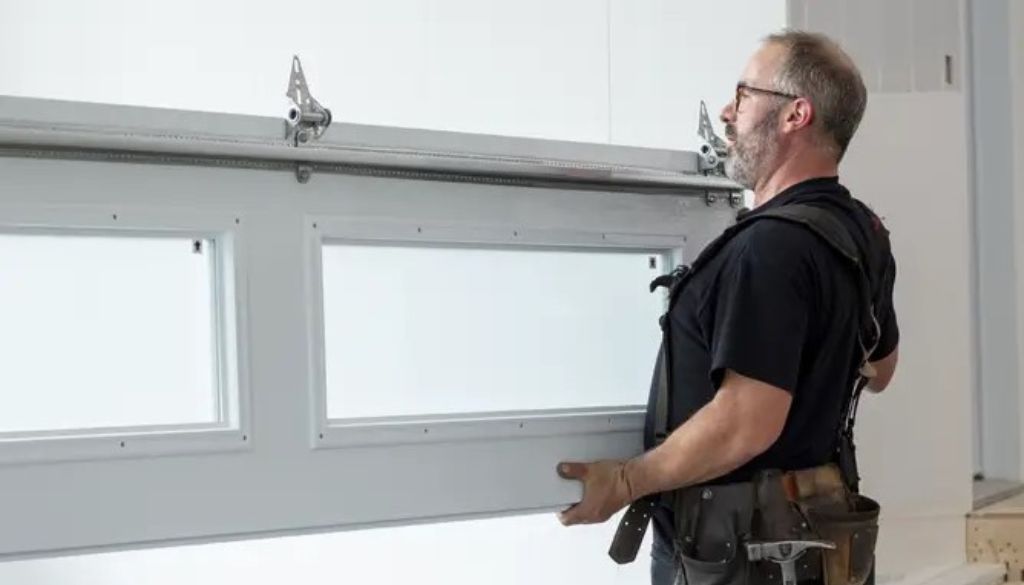
This is one reason experienced technicians often inspect the whole setup rather than swapping a motor on the first visit. Replacing the opener without addressing a door that is moving poorly can shorten the life of the new unit. The fresh motor may mask the underlying issue for a while, but it will still be doing extra work every cycle.
Why doors stop closing properly
“Garage door not closing properly” is one of the most common complaints because closing failures are noticeable and disruptive. The car is trapped outside, the garage cannot be secured, and the problem often appears suddenly. But the root cause is not always sudden at all.
In real service work, closing problems often build over time. The opener may respond to resistance by stopping or reversing. If the door is no longer travelling cleanly, if a component is worn, or if the overall balance of the system has changed, the close cycle becomes unreliable. That is where a basic inspection makes a big difference. Rather than treating the opener as a black box, it helps to look at how the door behaves through the full movement.
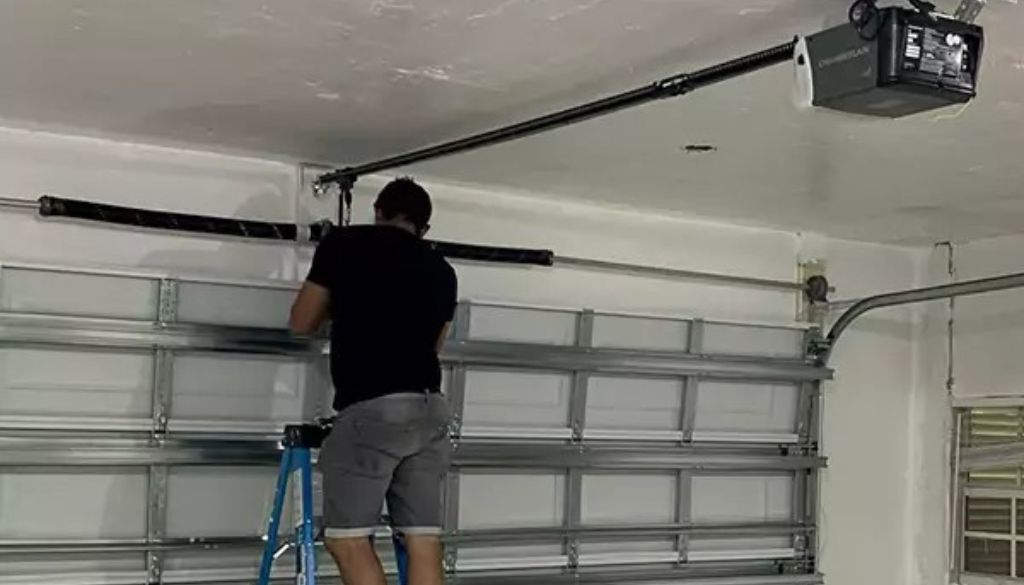
Garage door alignment deserves special attention here. When alignment is off, the door may not move evenly. Even a small deviation can change how the door meets the opening and how much effort the opener needs to apply. Homeowners sometimes describe this as a motor issue because the symptom appears at the controls, but the problem is really in the track and door movement. If the system has been forcing its way through resistance for a while, the opener may then develop a second, genuine fault on top of the first.
This is why the phrase “fix garage door” covers more than one task. A proper repair may involve servicing the opener, correcting movement issues, replacing worn parts, and then testing the system as a whole.
Springs are not a DIY repair
Any honest discussion of garage door opener repair has to address springs. They are a standard repair item, and spring replacement is garage door resource commonly offered by professional garage door services. They also carry the highest garage door services Southport QLD safety concern in the system.
Industry safety guidance is very clear on this point: garage door springs are under high tension and are dangerous to adjust or repair without the proper training and tools. That is not trade scare talk. It is the kind of warning that exists because the risk is real. When a spring fails, the balance of the door changes immediately, and the opener may no longer be able to move the door in a controlled way.
There is another practical consideration. When one spring breaks, both springs may need replacement because they usually wear at a similar rate. A mismatched pair can create balance problems. That detail matters because some homeowners naturally want to replace only the broken side to save money. In a balanced door system, that short-term saving can create a fresh problem and leave the opener working against unequal forces.
An opener can sometimes be blamed for a door that suddenly feels impossibly heavy or moves unpredictably, when the real issue is spring failure. In those cases, the best advice is simple: stop using the system and have it assessed professionally.
Repair first or upgrade now?
Not every faulty opener should be replaced, and not every aging opener is worth repairing. The right choice depends on what failed and whether the rest of the system is in good condition. There is no single rule that fits every home.
If the problem is limited to a remote, a minor component, or a service issue that can be corrected without major replacement, repair can make sense. Gold Coast providers commonly handle remote replacement, motor servicing, and related repairs, which reflects how often faults are isolated rather than total-system failures.
On the other hand, if the opener is failing while the door also needs work, many homeowners start considering automation upgrades. That is especially true for older manual or partially automated setups. Local service companies explicitly advertise motor replacement or installation for existing garage doors, which shows that upgrading an existing door to an automated system is a normal part of the market, not an unusual special case.
The practical question is not whether automation is possible. In many cases, it is. The better question is whether the door itself is a good candidate. If the door travels smoothly, is structurally sound, and can be brought into proper alignment, adding or replacing automation can be a sensible improvement. If the door is already showing multiple mechanical issues, those need to be addressed as part of the upgrade decision.
What an automation upgrade really changes
People often think of automation purely as convenience. Press a button, drive in, drive out. That is certainly part of the appeal, but a well-matched opener upgrade also changes how consistently the door operates day to day. Newer automation on a sound door can reduce the friction of daily use because it removes the temptation to put up with a system that only works “most of the time.”
The value of an upgrade often becomes clear in households that use the garage as the main entry point. In those homes, a marginal opener creates repeated, low-grade frustration. One extra close attempt every day does not sound like much until it becomes routine.
A thoughtful upgrade also gives the service technician a chance to assess the existing door, the condition of key parts, and whether the system is worth building on. That matters because the opener will only ever be as reliable as the door it is driving. If the upgrade is done without that judgment, the result can be disappointing. A new motor attached to a tired door is still attached to a tired door.
The coastal factor most owners underestimate
On the Gold Coast, local providers regularly mention salt air, humidity, and heat as factors that affect garage door hardware. This is one of those points that sounds generic until you have seen the pattern over time. Coastal environments are hard on moving parts. Even where the door still looks acceptable from the street, small components can age faster than expected.
That does not mean every door near the coast is in poor condition. It means maintenance matters more. In these conditions, the question is often not “why did this suddenly fail?” but “how long has this part been degrading before the failure became obvious?” Corrosion, wear, and inconsistent movement can place extra load on the opener long before a homeowner notices anything dramatic.
For people weighing a repair against an upgrade, local climate can tip the decision. If a motor is being replaced in an environment known for higher maintenance demands, it makes sense to inspect the rest of the system with the same seriousness. Otherwise, a new opener may inherit old problems that have been accelerated by the conditions around it.
Servicing is less expensive than being stranded
One Gold Coast garage door business recommends professional servicing every 12 months to help prevent breakdowns and extend the life of the door and motor. That annual rhythm is sensible because garage doors are used repeatedly and often overlooked. They are not like a decorative feature that sits still. They cycle, bear load, and rely on multiple moving parts working together.
Regular servicing is not glamorous, but it changes the odds. It gives a technician a chance to spot wear before it becomes failure. It also helps answer a question homeowners rarely think to ask: is the opener struggling because it is worn out, or because the door has gradually become harder to move?
That distinction can save money. If servicing catches alignment drift or mechanical wear early, the opener may avoid months of unnecessary strain. Conversely, if an opener is already deteriorating, a service visit can reveal whether repair is still reasonable or whether replacement is the better use of money.
A reliable annual service is especially useful for households that depend heavily on garage access, for rental properties where breakdowns create tenant friction, and for coastal homes where environmental exposure is part of the maintenance equation.
How professionals approach a proper diagnosis
Good diagnosis usually starts with observation, not replacement. The technician looks at how the door opens and closes, whether the movement is smooth, whether the motor appears to be overworking, and whether there are signs of wear in related components. The point is to understand the system as a whole.
That approach matters because garage door opener repair can otherwise become guesswork. A homeowner may understandably focus on the symptom closest to hand. The remote stopped responding, the opener hums, the door stopped halfway. A trained diagnosis places those symptoms in sequence. Did the door become noisy first? Has the close cycle been inconsistent for weeks? Did the issue appear after a period of rough weather? Are there signs that the door is no longer running true?
Those are the kinds of questions that separate a quick patch from a durable fix. They also shape whether an automation upgrade will solve the problem or simply cover it for a short period.
Situations where repair is usually not the whole answer
There are jobs where a repair can restore function quickly but still not resolve the underlying condition of the system. This is common when the opener has been carrying a hidden mechanical burden for a long time. A new remote or motor component may get the door moving again, but the larger issue remains.
That is often the moment when homeowners have to think in terms of total system health rather than single-part failure. If the springs are worn, the door movement is uneven, and the opener has begun to struggle, the right answer may involve several coordinated fixes. If the door is suitable for continued use, upgrading the opener at the same time can be sensible. If the door itself needs meaningful correction, that should happen first or at least alongside the opener work.
This is not about overselling. It is about matching the repair to the real condition of the door. The opener is the most visible piece because it is the one you press a button for, but it is rarely the only thing worth examining.
What homeowners can do safely, and what they should not
There is a narrow but important line between sensible observation and risky intervention. Homeowners can pay attention to changes in sound, movement, and reliability. They can note whether the issue is consistent or intermittent, whether the door is closing unevenly, and whether the remote problem affects one control or all of them. Those observations help a technician work faster and more accurately.
What homeowners should not do is attempt spring adjustment or repair. The tension involved makes that an unsafe area for DIY work. That is the clearest hard stop in garage door repair.
A practical homeowner checklist looks like this:
- stop operating the door if it becomes heavy, erratic, or unsafe note whether the problem affects opening, closing, or both watch for uneven movement that may suggest garage door alignment issues arrange professional service rather than forcing repeated cycles ask whether the opener fault is isolated or tied to broader door wear
That last question is worth asking every time. It often reveals whether the job is a straightforward garage door opener repair or part of a larger plan to fix garage door performance overall.
The real value of upgrading at the right time
An automation upgrade is easiest to appreciate after living with an unreliable setup. When a system opens and closes smoothly, responds predictably, and has been matched to a properly serviced door, the garage becomes one less thing to think about. That is the real benefit. Not novelty, just consistency.
The timing matters. Upgrade too early, and you may replace equipment that still had useful life. Upgrade too late, and you may have spent months paying for piecemeal fixes while the system as a whole was declining. The best decisions usually come after a clear inspection and a candid explanation of what is worn, what is repairable, and what will likely fail next if ignored.
For many households, the smartest path is not dramatic. It is a well-scoped repair when the system is fundamentally sound, followed by regular servicing. For others, especially where a motor replacement is already on the table and the existing door can support it, an automation upgrade is the better long-term move.
Either way, the core principle is the same: treat the garage door and opener as one working system. If the garage door not closing properly is the symptom, look beyond the button and the motor. Check the movement, the balance, the alignment, and the condition of the parts that carry the load. That is how you avoid repeat failures, protect the opener, and make sure the next repair or upgrade actually lasts.