A garage door tends to sit in the background until weather turns rough. Then it becomes one of the most important moving parts on the house. In severe storms and cyclones, a failed garage door is not just a damaged panel or a bent roller door. It can become an opening that lets wind into the home, which can increase damage to roofs and walls. That is why storm preparation is not only about batteries, gutters, and patio furniture. It also includes the garage door, the opener that drives it, and the remotes you rely on when time is short and conditions are changing.
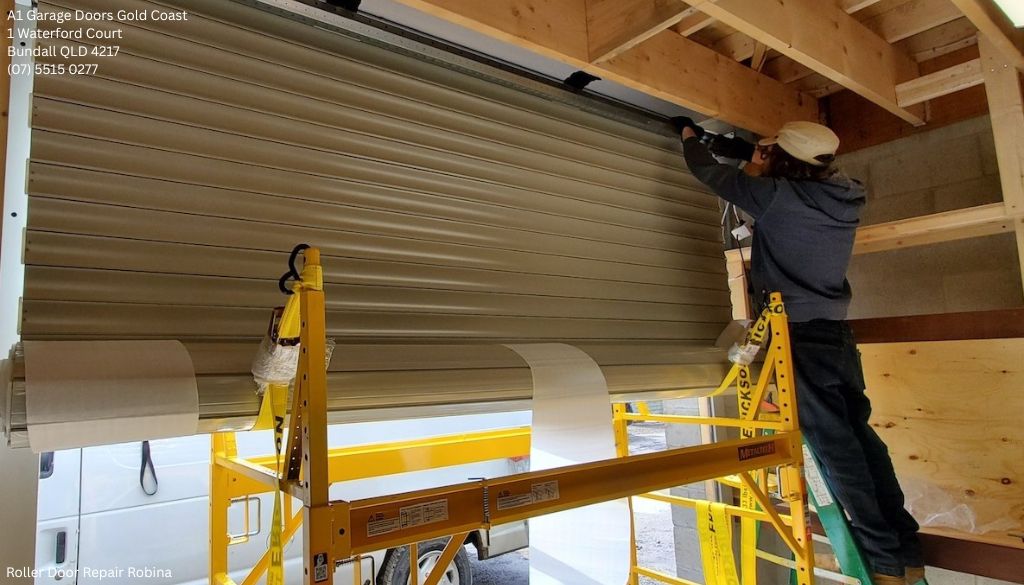
Homeowners often focus on the big visible questions. Is the roof secure? Are the trees trimmed? Is there somewhere protected to park the car? Those are sensible priorities. But in practice, the garage is where many small failures start. A remote with a dead battery leaves someone standing in the driveway while rain bands move in. An opener that has not been tested in months jams halfway. A door that looks fine in calm weather turns out not to be properly rated or braced when the forecast escalates.
Storm prep for garage door openers and remotes is not glamorous work. It is basic, practical, and often overlooked. Done properly, it reduces stress, protects access, and helps the garage door do the job it is supposed to do when weather conditions get serious.
Why the garage door deserves special attention
Queensland storm and cyclone guidance treats garage doors as a high priority for a reason. If a garage door fails, wind can enter the house and increase the pressure on other parts of the structure. That is not a minor inconvenience. It changes the whole risk profile of the building.
This is where homeowners sometimes make a common mistake. They assume that because the opener works and the remote clicks, the door is storm ready. Those are separate issues. A working motor is about convenience and access. Storm resilience is about the door itself, the frame, the rating, and whether it has an appropriate bracing system where required.
That distinction matters because many people spend money on accessories first. They add extra remotes, keypad entry, or smartphone control, but never ask whether the actual door is compliant or whether it is the sort of door that should be upgraded before storm season. If you are trying to harden a home for severe weather, the strongest opener in the world will not compensate for a door assembly that is not suitable for the wind conditions it may face.
The opener is not the door, but it still matters
Garage door openers sit in an odd category. They are not the primary structural defence, yet they affect how reliably you can secure the garage when timing matters. In calm conditions, a temperamental opener is just annoying. Before a storm, it can disrupt the whole routine.
A reliable opener does three useful things during storm prep. First, it lets you open and close the door quickly while moving vehicles under shelter, which official guidance recommends where possible. Second, it reduces the temptation to leave the garage open longer than necessary while you carry in loose outdoor items. Third, it helps you confirm that the door is fully closed and seated properly before conditions worsen.
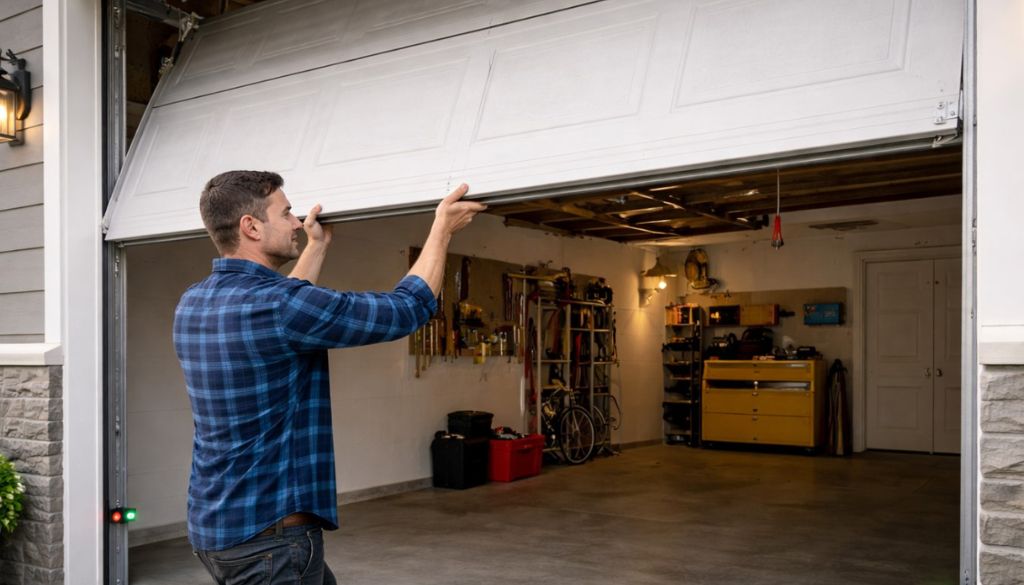
That said, it is worth keeping expectations realistic. The opener does not turn an ordinary door into a cyclone-resilient one. It is a convenience and access system attached to a much bigger assembly. If the garage door itself is not correctly rated for wind pressure, or if it should have a bracing system installed before a cyclone, the right answer is not “upgrade the motor.” The right answer is to have the door and frame assessed by a qualified contractor and address the actual weakness.
Remotes are small, but they can create big headaches
Remotes seem trivial until the power flickers, rain starts driving sideways, and everyone needs to get inside quickly. I have seen households waste precious time searching glove boxes, kitchen drawers, and the bottom of tote bins for remotes they were sure they owned. That scramble is avoidable.
A good storm routine treats remotes like house keys. They need a known home, a spare plan, and a quick test before the season ramps up. The reason is simple. Garage access during poor weather is often a chain of small dependencies. The remote must be where you expect it. The battery must still have enough charge. The opener must respond consistently. The door must travel without hanging up. If any one of those pieces fails, the whole process becomes slower and more stressful.
There is also a practical safety angle here. Before severe weather arrives, people are usually moving fast. They are securing loose items, checking drains, repositioning cars, and bringing in bins or outdoor furniture. A remote that only works intermittently encourages repeated open-close cycles and extra trips in and out. That is exactly the sort of friction you want to remove before conditions turn dangerous.
What to check before storm season
The best time to test a garage setup is not when a warning is already in place. Queensland guidance is clear that preparation should happen before storm season, and that people should only go outside after it is officially safe. For garage doors, openers, and remotes, the sensible approach is a short pre-season check followed by prompt repairs if anything is not right.
Here is a practical checklist that stays within the basics and avoids overcomplicating the job:
Test every remote you actually rely on, including the one kept in each vehicle. Run the garage door through a full open and close cycle and make sure it moves consistently. Look for obvious issues with the garage door tracks, frame, and surrounding fixings. Confirm whether the door is wind-rated or uses a bracing system intended for cyclone preparation. If there is any doubt about compliance, rating, or damage, book a qualified contractor before storm season deepens.
That list looks simple because it is supposed to. Storm prep works best when it is repeatable. A homeowner does not need a complex spreadsheet to catch the most common problems. What matters is that checks happen early enough to fix issues while trades, suppliers, and installers still have availability.
Where homeowners often misjudge the risk
The most common blind spot is assuming that appearance equals readiness. A door can look straight, open smoothly, and still be a poor candidate for severe weather. Queensland resilience guidance specifically points to replacing existing garage doors and frames with wind-rated versions as part of resilience work. It also identifies non-compliant garage doors as a cost-effective replacement target for improving cyclone resilience.
That is a stronger statement than many people expect. It means a garage door replacement is not always about age, style, or convenience. Sometimes replacement is the practical resilience decision, especially if the existing setup is not compliant or not suited to expected wind pressure.
Another frequent garage door resource mistake is focusing only on the leaf or curtain of the door and ignoring the frame. Guidance around replacement refers to doors and frames together for good reason. A stronger panel mounted to a weak or unsuitable frame is not the same as a properly upgraded assembly. When contractors assess garage doors for storm resilience, the conversation should be broader than the opener and broader than the visible face of the door.
There is also the issue of delay. Homeowners often plan to “look at it later” because the door still operates. Later has a way of turning into storm season. Then the choice narrows to living with uncertainty or trying to rush a fix when installers are booked out and supply chains are tight. With garage systems, procrastination tends to show up at the worst possible time.
The role of garage door tracks and moving hardware
Garage door tracks do not get much attention until something scrapes, binds, or goes crooked. Yet they are part of the door’s controlled movement, and they deserve a quick visual check before severe weather season. The goal is not amateur repair. The goal is to notice obvious signs that the system needs professional attention.
When a door does not run cleanly in ordinary weather, it is telling you something. The issue may be alignment, wear, or another fault somewhere in the system. Whatever the cause, a storm is not the time to discover it. The same goes for hardware around the opening. If anything looks loose, damaged, or out of place, it is worth having it checked well before you need the door to perform under pressure.
Garage door springs also fit this category of “easy to ignore, expensive to neglect.” Springs are part of the counterbalance system that allows the door to move properly. A homeowner does not need to become a technician to understand the practical point: if the door feels wrong, sounds wrong, or stops behaving normally, arrange service. Storm preparation is built on reliability. Unresolved mechanical issues work against that.
A short story that captures the difference
One of the clearest patterns I have seen with household maintenance is that trouble rarely arrives as a single dramatic failure. It arrives as a series of small assumptions. A remote battery is probably fine. The opener hesitated once, but it came good. The door has always been there, so it must be adequate. By the time a storm watch goes up, those assumptions become stress points.
Compare that with the household that handles the garage early. They test the remotes at the start of the season. They check whether the garage door is properly rated or whether it needs a bracing system. They ask about the frame, not just the motor. They know where the vehicles will go. When the weather shifts, they are not improvising. They are following a routine they already trust.
That difference may sound small on paper, but in real life it changes the whole tone of storm prep. Calm systems beat last-minute scrambling every time.
When garage door replacement becomes the smart call
There are situations where servicing is not enough. If the existing door and frame are non-compliant, or if they are not suitable for the wind conditions your property may face, garage door replacement can be the more sensible investment. Queensland resilience guidance explicitly supports the replacement of existing garage doors and frames with wind-rated versions as household resilience work.
For many homeowners, this is the point where the thinking shifts. Instead of asking, “Can I get one more season out of it?” the better question becomes, “What gives the house a better chance in severe weather?” In some cases, a cost-effective replacement does more for resilience than patching together a system that was never adequate in the first place.
This is especially relevant if the garage is attached to the home. A weak garage door in an attached garage is not isolated. Its failure can have consequences for the rest of the building. That is why a storm-focused garage door replacement should be approached as building protection, not just as a cosmetic upgrade.
Working with qualified contractors matters
Storm preparation has a strong do-it-yourself culture, and some of that is appropriate. You can test remotes, check access, secure items, and tidy the space around the opening. But when the issue moves into compliance, wind rating, bracing systems, or replacement, qualified contractors matter.
Official fix garage door tracks guidance on resilience and securing vulnerable parts of the home points people toward safe work practices and qualified help. That is the right balance. A homeowner can and should understand the basics. The final judgment on whether a garage door complies, whether it needs bracing, or whether replacement is the better option belongs with someone who is trained to assess and install these systems properly.
This is not about making simple jobs sound complicated. It is about respecting the stakes. If a garage door is a critical opening in severe weather, then the work done on it needs to be right.
The garage as part of the wider storm plan
A smart garage plan fits into the broader household storm routine. Queensland guidance advises securing loose outdoor items, parking vehicles under shelter if possible, and unplugging electrical items. The garage often sits at the centre of all three tasks.
That means the garage should be clear enough to use efficiently. If the floor is packed with boxes, bikes, and tools, getting vehicles under cover becomes much harder. If outdoor items are stored haphazardly near the door, bringing them in can turn into a bottleneck. If power conditions become unstable, being thoughtful about electrical items around the garage also makes sense within the wider preparation routine.
The practical takeaway is that garage storm prep is not only about the hardware mounted to the ceiling or clipped to the visor. It is also about how the space functions under pressure. Can you get the car in quickly? Can the door close fully without obstruction? Can you find every remote without hunting? Can you shut the space down and leave it secure before you move on to the next task?
A note on attached garages, draughts, and everyday performance
There is one quieter angle to this conversation that is worth mentioning. Australian household energy guidance notes that draught stoppers at the base of doors can help reduce heat loss. For attached garages, that points to a useful everyday benefit of paying attention to the opening around the garage door.
Storm resilience and day-to-day comfort are not the same thing, but they can overlap in practical maintenance habits. Homeowners who notice gaps, worn bottom seals, or obvious draught pathways are often getting an early signal that the door deserves a closer look. The fix for energy loss is not automatically the fix for storm resilience, but both issues reward attention to how well the door closes and how well the opening is sealed.
It is one more reason not to treat the garage as a forgotten edge space. When the garage connects directly to the house, its performance affects comfort, access, and weather readiness.
Five signs it is time to stop delaying
Some homeowners need a clear threshold before they act. If any of the following sound familiar, the garage door should move up the priority list:
The opener works inconsistently or remotes only trigger the door some of the time. The door sticks, shudders, or sounds noticeably different from normal. You do not know whether the garage door is wind-rated or whether it needs a bracing system. The frame or garage door tracks show visible issues that make you question the setup. You have already been told the door is non-compliant or nearing the point of garage door replacement.None of those signs prove a specific defect on their own. What they do indicate is uncertainty, and uncertainty is exactly what you want to reduce before severe weather season.
What not to do when a storm is close
Once severe weather is approaching, discipline matters more than improvisation. If a problem suddenly becomes obvious at the last minute, resist the urge to attempt risky outside work as conditions deteriorate. Queensland guidance is clear that people should prepare before storm season and should only go outside after it is officially safe.
For garage systems, that means the real work should already be done. The door should have been checked. The opener should already be tested. The remotes should already be where they belong. Any needed bracing system should already be understood and ready as part of the property’s cyclone preparation approach. A last-minute scramble around a vulnerable opening is not smart storm prep. It is a sign the prep happened too late.
The most useful mindset
The best homeowners I have seen during storm season are not necessarily the ones with the newest equipment. They are the ones who understand which parts of the house truly matter under pressure and who handle those parts early. A garage door is one of those parts.
Treat the opener as an access tool, the remote as a small but essential convenience, and the door itself as a serious component of the building envelope. Test what you can test. Ask direct questions about rating, compliance, and bracing. Do not ignore garage door springs, garage door tracks, or frame issues just because the motor still hums. And if the setup is not appropriate for the conditions your home may face, take garage door replacement seriously as a resilience measure, not merely an upgrade.
That is the core of smart storm prep. It is not flashy. It is careful, timely, and grounded in the simple fact that one vulnerable opening can affect far more than the garage.